One of the most common complaints I hear as a medical aesthetic nurse, after wrinkles, is related to skin issues. Specifically, hyperpigmentation and melasma. Melasma also known as “pregnancy mask,” is a skin condition characterized by dark patches on the face that can appear during pregnancy. While pregnancy is a beautiful journey, it can also bring about certain skin concerns. Now I am not here to scare you! In this blog post, we will explore what melasma is, what causes it during pregnancy, how to prevent it, and discuss post-birth treatments that can effectively treat melasma.
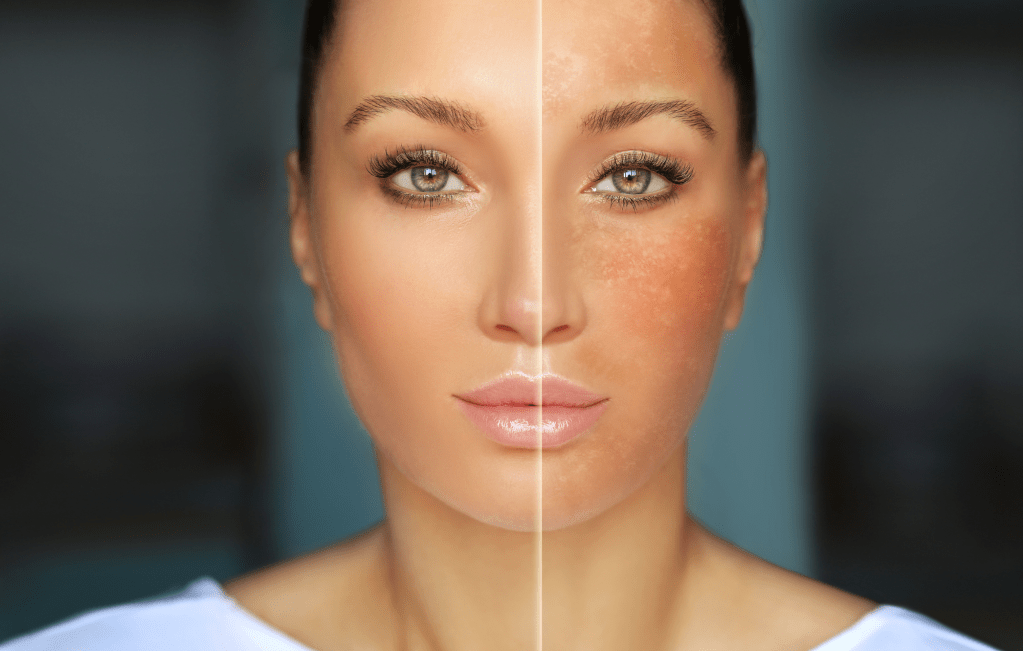
What is Melasma? Melasma, commonly known as “pregnancy mask,” causes brown or gray patches to appear on the face. These patches usually occur on the cheeks, forehead, nose, and upper lip. In some cases, women who spend a lot of time in the sun without sun protection may also notice melasma on their arms, neck or back. While melasma can affect anyone, it is particularly common during pregnancy due to hormonal changes.
What Causes Melasma During Pregnancy? The pregnancy mask is primarily caused by an increase in hormones, specifically estrogen and progesterone, which stimulate the production of melanin in the skin. The exact reason why some pregnant women develop melasma while others don’t is still unknown. Just like some women experience nausea during pregnancy while others don’t. Fun… However, certain factors such as genetics (ask mom and grandma), sun exposure, and hormonal fluctuations can contribute to its development.

How to Prevent Melasma: The happy news…. While it may not be possible to completely prevent melasma during pregnancy, there are steps you can take to minimize its appearance: (YAY!)
Sun Protection: Shield your skin from harmful UV rays by wearing a broad-spectrum sunscreen with at least SPF 30 daily. Opt for a physical sunscreen that contains zinc oxide or titanium dioxide and reapply every two hours.
How to choose the perfect natural sunscreen for your skin
Protective Clothing: Wear wide-brimmed hats, sunglasses, and clothing that covers your skin, especially during peak sun hours.
Avoid Heat: Excessive heat has the potential to cause inflammation, which can trigger and lead to more melanin production, exacerbating melasma. The best is to try to stay cool and avoid hot showers, saunas, or steam rooms.
Gentle Skincare: Use gentle, non-abrasive skincare products that are suitable for your skin type. Avoid harsh chemical peels or exfoliants that can aggravate melasma.

Post-Birth Treatments for Melasma: Now if you are reading this thinking OMG its too late I already have the pregnancy mask don’t panic! After all, remember you are growing a human, be gentle with yourself. Good job, mama! However, if you are seeking a solution, its honestly best to wait until after the pregnancy to treat it. Most treatments are contraindicated for pregnant women and sometimes also contraindicated to breastfeeding mothers as well. In the meantime, continue to apply the prevention recommendations to avoid exacerbating the condition.
Now, after giving birth, you may notice that melasma starts to fade on its own. Most often melasma will resolve on itself after a few months of giving birth. However, if the patches persist, there are several treatments that can help:
Topical Creams: Hydroquinone, azelaic acid, and kojic acid are commonly used topical treatments to lighten melasma. However, it’s crucial to consult with a dermatologist before using any of these products, especially if you are breastfeeding.
Chemical Peels: Chemical peels containing glycolic acid or salicylic acid can help improve the appearance of melasma. However, it is essential to have these treatments performed by a trained professional. There is a wide variety of peels available for different skin conditions and comfort levels. Some are very mild, while and others are more aggressive. It usually takes multiple peel treatments to be effective, starting with lower concentrations and gradually increasing to allow the skin to adapt. Some peels have no downtime, while others may require up to 10-14 days of downtime.
Laser Therapy: Laser treatments such as fractional laser or intense pulsed light therapy can be effective in reducing melasma. However, it’s important to consult with a dermatologist experienced in treating melasma to determine the suitability and safety of these procedures.
Microdermabrasion: This non-invasive procedure gently exfoliates the skin, helping to reduce the appearance of melasma. However, it is essential to consult with a dermatologist before undergoing microdermabrasion.
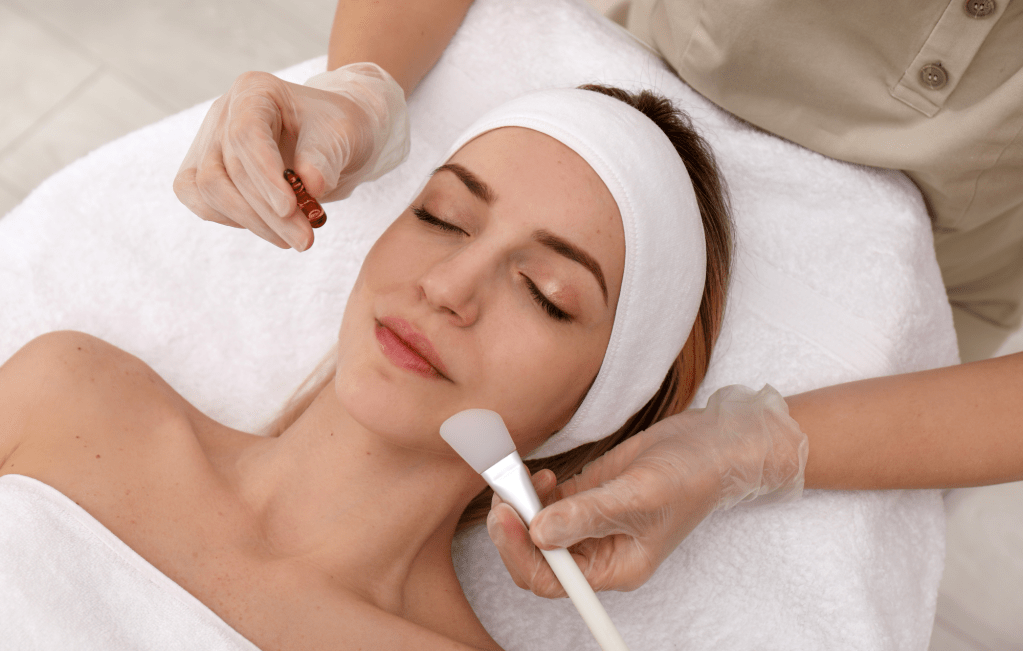
Melasma during pregnancy can be a frustrating skin condition, but with proper prevention and post-birth treatments, it is manageable. By taking precautions such as sun protection, gentle skincare, and avoiding excessive heat, you can minimize the severity of melasma. Additionally, consulting with a dermatologist for post-birth treatments like topical creams, chemical peels, laser therapy, or microdermabrasion can help fade melasma and restore your skin’s natural glow. Remember, patience and consistent skincare are key to effectively managing melasma.
Here’s a selection of cute sun hats and visor, stay safe in the sun!
//widgets.shopstyle.com/shopstyle-widget-snippet.js The Healthy Glow
Leave a comment